
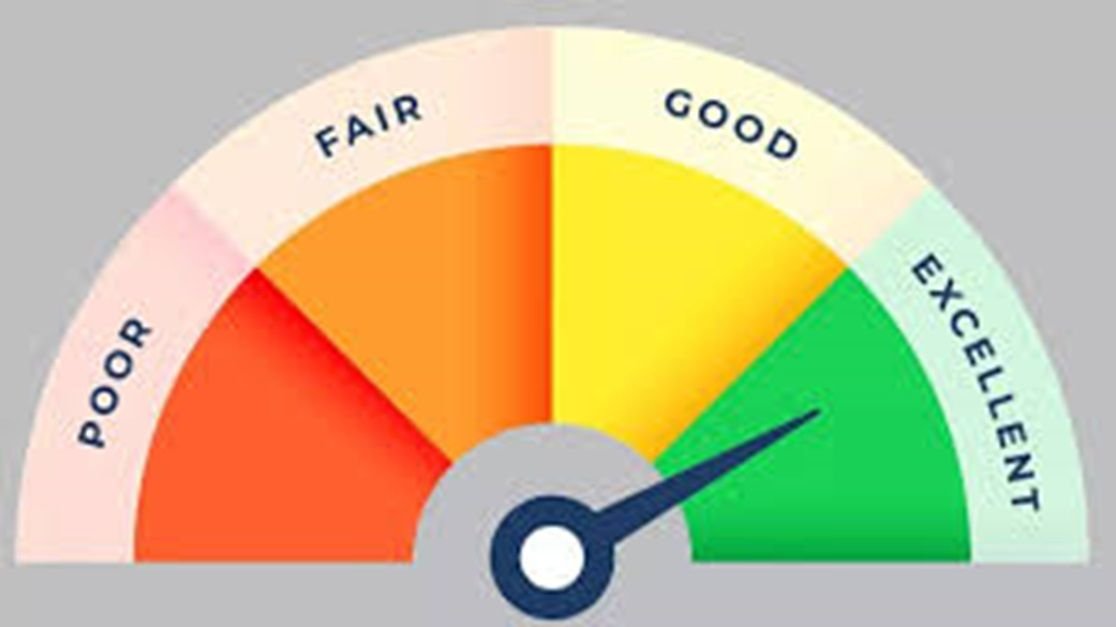
A good credit score can make it easier to access loans and credit cards on favourable terms, but improving a low score usually takes time. There is no legitimate shortcut that can guarantee a specific score increase within a few days.
In India, the CIBIL score is a three-digit credit score generally ranging from 300 to 900. It is calculated from information in an individual’s credit report, including repayment behaviour, credit utilisation and other credit-related factors.
If your CIBIL score is lower than you want, the most useful approach is to identify the factors affecting your credit profile and consistently improve them.
What Is a CIBIL Score?
A CIBIL score is a numerical representation of an individual’s credit history and creditworthiness based on information maintained in their credit report.
The score generally ranges from:
- 300: Lower end of the scoring range
- 900: Higher end of the scoring range
Lenders may use credit reports and scores as one factor when evaluating applications for loans or credit cards. However, a CIBIL score alone does not determine whether a lender will approve an application.
Lenders may also consider income, employment, existing liabilities, repayment capacity, internal policies and other information.
What Is Considered a Good CIBIL Score?
There is no single score that guarantees loan approval.
However, a higher score generally indicates a stronger credit history than a lower score.
| CIBIL Score Range | General Interpretation |
|---|---|
| 300–549 | Low |
| 550–649 | Needs improvement |
| 650–749 | Fair to good |
| 750–900 | Generally considered strong |
These ranges are useful for general understanding rather than as universal lending rules. Different lenders can have different eligibility criteria.
How to Increase Your CIBIL Score Fast
The word “fast” needs some clarification.
Credit-report information is updated periodically, and score changes depend on what information is reported and how your overall credit profile changes. Some improvements may become visible relatively quickly after accurate information is reported, while rebuilding a damaged credit history can take considerably longer.
Here are the practical steps that can help.
1. Pay Every EMI and Credit Card Bill on Time
Payment history is one of the most important parts of a credit profile.
Late payments, missed EMIs and defaults can negatively affect your credit history.
To reduce the chance of missing a payment:
- Set up payment reminders.
- Use auto-debit where appropriate.
- Keep sufficient funds available before the due date.
- Track all loan and credit card due dates.
- Avoid waiting until the last day to make payments.
A consistent record of timely payments is generally more beneficial than making occasional large payments after missing deadlines.
Why Late Payments Matter
Suppose someone has several years of timely payments but misses multiple loan instalments.
Those late payments become part of the credit history reported by the lender and can affect the person’s credit profile.
The effect may depend on factors such as the severity and frequency of the missed payments and the rest of the credit history.
2. Keep Credit Card Utilisation Under Control
Credit utilisation refers broadly to how much of your available revolving credit you are using.
For example, if your total credit card limit is ₹2 lakh and your outstanding balance is ₹40,000, the utilisation is:
₹40,000 ÷ ₹2,00,000 × 100 = 20%
High utilisation can indicate that a borrower is relying heavily on available revolving credit.
Keeping balances manageable can therefore be an important part of maintaining a healthy credit profile.
A Simple Example
| Total Credit Limit | Outstanding Balance | Approx. Utilisation |
|---|---|---|
| ₹1,00,000 | ₹20,000 | 20% |
| ₹1,00,000 | ₹50,000 | 50% |
| ₹1,00,000 | ₹80,000 | 80% |
| ₹1,00,000 | ₹95,000 | 95% |
These examples are purely illustrative and do not represent a guaranteed CIBIL-score outcome.
3. Avoid Maxing Out Your Credit Cards
Regularly using almost the entire available credit limit can make your credit profile look more dependent on revolving credit.
Instead of consistently reaching the limit, try to maintain spending within an amount that can comfortably be repaid.
Importantly, paying only the minimum amount due does not necessarily mean your credit utilisation is low.
The outstanding balance and the information reported to the credit bureau are what matter for the credit report.
4. Check Your CIBIL Report for Errors
One of the most overlooked steps is checking the actual credit report.
An error could potentially involve:
- A loan that you never took
- Incorrect personal information
- An account incorrectly shown as active
- A payment incorrectly reported as late
- An incorrect outstanding balance
- Duplicate accounts
- Incorrect account closure information
If you identify inaccurate information, you can raise a dispute with the relevant credit information company and/or lender.
Why Checking the Report Matters
Trying to improve a score without understanding what is actually appearing on the credit report is inefficient.
The report tells you what information may be influencing the score, while the score itself provides only a summary number.
5. Don’t Apply for Too Many Loans or Credit Cards
Every credit application can involve an enquiry on your credit report.
Making several applications within a short period can result in multiple enquiries being recorded.
This does not mean you should never compare credit products. Instead, unnecessary applications should be avoided.
Before applying, check whether you are reasonably likely to meet the lender’s eligibility requirements.
6. Keep Older Credit Accounts Open When Appropriate
The age and history of credit accounts can be relevant to a credit profile.
Closing an old credit card is therefore not automatically beneficial.
However, keeping an account open also makes sense only when its costs and features are suitable.
Consider:
- Annual fees
- Whether the card is actually useful
- Your ability to manage it responsibly
- Credit limit
- Payment history
- Whether there are better alternatives
Don’t keep an expensive or unsuitable financial product solely because you believe it will increase your score.
7. Maintain a Healthy Mix of Credit
Credit profiles can contain different types of borrowing, such as:
- Credit cards
- Personal loans
- Home loans
- Vehicle loans
- Other forms of credit
A varied credit profile can sometimes be viewed differently from one consisting entirely of a single type of credit.
However, you should not take a loan you don’t need simply to create a credit mix.
Borrowing money solely for the purpose of improving your CIBIL score can increase your financial costs and obligations.
8. Don’t Close a Loan Before Understanding Its Effect
People sometimes assume that closing every loan immediately is always the best way to improve their credit score.
That isn’t necessarily true.
Closing a loan can change the composition and history of your credit profile. The effect on the score depends on the individual’s broader credit history.
The primary reason to repay debt should be financial suitability, not simply trying to manipulate a credit score.
9. Reduce Outstanding Credit Card Debt
If credit card balances have become difficult to manage, reducing the outstanding balance can help lower credit utilisation.
For example, consider a card with:
- Credit limit: ₹1,50,000
- Outstanding balance: ₹1,20,000
The utilisation is approximately 80%.
Reducing the balance to ₹60,000 would bring utilisation to approximately 40%, assuming the credit limit remains unchanged.
This doesn’t guarantee a particular score increase, but lower utilisation can be healthier for a credit profile than consistently carrying balances close to the available limit.
10. Avoid Settling Loans When Possible
A loan marked as “settled” can be viewed differently from one that has been fully repaid according to the original terms.
A settlement generally means the lender accepted an amount different from the total amount originally owed under the agreed repayment terms.
This can create difficulties when applying for future credit.
If you are struggling to repay debt, contact the lender and understand the available options rather than making an uninformed settlement decision.
11. Maintain Your Credit Accounts Responsibly
Improving a credit score is less about one dramatic action and more about establishing a consistent pattern.
A healthy routine can include:
- Paying EMIs on time
- Paying credit card bills on time
- Keeping utilisation manageable
- Limiting unnecessary credit applications
- Monitoring your credit report
- Correcting inaccurate information
- Avoiding excessive borrowing
Consistency matters because credit history is built over time.
How Long Does It Take to Increase a CIBIL Score?
There is no fixed number of days in which a CIBIL score must increase.
The timeline depends on the reason behind the lower score and when updated information is reported.
| Situation | Possible Impact |
|---|---|
| Correcting inaccurate information | Score may change after the correction is processed and reflected |
| Paying current bills on time | Helps establish positive repayment behaviour over time |
| Reducing high credit utilisation | May be reflected after updated balances are reported |
| Multiple recent enquiries | Their impact can decline over time |
| Previous defaults or serious delinquencies | Recovery can take longer |
| Long history of missed payments | Usually requires sustained responsible credit behaviour |
Therefore, claims such as “increase your CIBIL score by 100 points in 7 days” should be treated with caution.
No legitimate method can guarantee a specific score increase within a fixed period.
Can Paying Credit Card Bills Twice a Month Improve CIBIL Score?
Paying twice a month isn’t inherently a special CIBIL-score hack.
What matters is responsible credit management and the information ultimately reported to the credit bureau.
However, making payments during the billing cycle can sometimes help keep the outstanding balance lower, depending on the card issuer’s reporting practices.
The key objective should be managing spending and repayment—not trying to exploit a particular reporting date.
Does Closing a Credit Card Improve CIBIL Score?
Not necessarily.
Closing a credit card can reduce your total available revolving credit, which could increase your utilisation percentage if you continue spending the same amount on your remaining cards.
For example:
Before closure
- Total credit limit: ₹3 lakh
- Balance: ₹60,000
- Utilisation: 20%
After closing a ₹1 lakh card
- Remaining limit: ₹2 lakh
- Balance: ₹60,000
- Utilisation: 30%
The utilisation increased even though the debt did not.
This is why closing a credit card should be considered based on its overall suitability, not solely on its possible effect on the score.
Does Checking Your Own CIBIL Score Reduce It?
Checking your own credit report or score is generally different from a lender making a credit enquiry when you apply for credit.
Consumers can monitor their own credit information without treating every self-check as a new loan application.
Regular monitoring can therefore be useful for identifying incorrect information or unexpected accounts.
Does Salary Affect Your CIBIL Score?
Salary itself is not the same thing as credit history.
A person with a high income can still have a poor credit profile if they repeatedly miss payments or maintain excessive debt.
Similarly, someone with a moderate income can maintain a strong credit history through responsible borrowing and timely repayments.
Income may be relevant to a lender’s loan-eligibility assessment, but it should not be confused with the factors used to evaluate credit history.
Does Having No Credit History Mean You Have a Bad CIBIL Score?
Not necessarily.
Someone who has never used formal credit may have a limited or insufficient credit history rather than a history of poor repayment.
This is different from having a record of defaults or late payments.
Building credit should not mean borrowing unnecessarily. Responsible use of appropriate credit products, when genuinely needed, can gradually establish a credit history.
What Can Damage Your CIBIL Score?
Several behaviours can negatively affect a credit profile, including:
- Repeated missed EMI payments
- Credit card payment defaults
- High revolving-credit utilisation
- Frequent credit applications
- Loan defaults
- Accounts reported as settled
- Excessive outstanding debt
- Incorrect or unresolved credit-report information
The impact of each factor varies according to the individual’s overall credit history.
A Simple 90-Day Credit Improvement Checklist
If you’re trying to improve your credit profile, a structured approach can help.
Month 1: Understand Your Credit Profile
- Obtain and review your credit report.
- Check all active and closed accounts.
- Identify overdue amounts.
- Look for incorrect information.
- List all upcoming payment dates.
Month 2: Improve Credit Management
- Pay all EMIs on time.
- Pay credit card bills on time.
- Reduce unnecessarily high revolving balances.
- Avoid unnecessary loan or credit card applications.
Month 3: Maintain the Routine
- Continue timely payments.
- Monitor credit utilisation.
- Follow up on legitimate disputes.
- Avoid taking unnecessary debt.
- Review the credit report periodically.
A 90-day checklist can help establish better habits, but it does not guarantee a specific CIBIL score increase within 90 days.
How to Maintain a Good CIBIL Score Long Term
Improving your score is only half the job.
Once your credit profile improves, maintaining good habits is important.
Follow These Basic Principles
- Pay on time: Don’t miss EMI or card-payment deadlines.
- Borrow responsibly: Take credit only when you have a reasonable repayment plan.
- Keep utilisation manageable: Avoid regularly using most of your available revolving credit.
- Limit unnecessary applications: Don’t apply for multiple products without a genuine need.
- Review your credit report: Check periodically for errors or unfamiliar accounts.
- Keep information updated: Ensure your personal and account information is accurate.
Final Takeaway
There is no reliable shortcut to increase your CIBIL score fast.
The most practical approach is to identify what is hurting your credit profile and consistently correct those issues. Timely payments, controlled credit utilisation, responsible borrowing, fewer unnecessary credit applications and regular credit-report checks can all contribute to healthier credit management.
Most importantly, don’t take unnecessary loans or manipulate credit accounts simply to chase a higher score. A strong credit profile is ultimately built through consistent and responsible credit behaviour over time.
Frequently Asked Questions
How can I increase my CIBIL score quickly?
Start by checking your credit report for errors, paying all current EMIs and credit card bills on time, reducing high credit utilisation and avoiding unnecessary credit applications. However, there is no guaranteed method for increasing a CIBIL score by a specific number of points within a few days.
How long does it take to improve a CIBIL score?
There is no fixed timeline. It depends on factors such as the reason for the low score, repayment history, credit utilisation, outstanding debt and when updated information is reported. Serious negative information may require sustained responsible credit behaviour over a longer period.
Can paying credit card bills on time increase my CIBIL score?
Consistently paying credit card bills on time can contribute to a healthier credit history. However, timely payments do not guarantee a particular increase in your CIBIL score because the score considers multiple aspects of your credit profile.
Does closing a credit card reduce CIBIL score?
Closing a credit card can affect your credit profile, but the effect is not identical for everyone. Closing a card can reduce your total available credit and potentially increase your utilisation percentage if your spending remains unchanged.
Can I increase my CIBIL score from 600 to 750 quickly?
There is no guaranteed timeframe for moving from one score to another. The improvement depends on why the score is currently low and how consistently the underlying credit issues are addressed. A history involving serious defaults or multiple missed payments may take longer to rebuild than a profile affected primarily by high utilisation.
Disclaimer: The information provided in this article is for educational and informational purposes only and does not constitute professional financial or insurance advice. Please consult with a certified advisor before making any financial decisions.